Latest From the Journal
The Wellness Journal

December 7, 2025
What to Ask Before Starting a GLP-1 or Peptide Program?
Medical Weight Loss Tampa promises medical oversight, clear expectations, and local care that fits life. We begin with a full health review, explain why a prescription is only part of success, and commit to lab monitoring and regular check-ins. Our team includes licensed clinicians and nutrition coaches who adjust dosing and supplements based on your labs, symptoms, and daily routine.
We do not chase trends; however, we do use therapies proven in trials when they match your goals. Expect straightforward talk about risks and benefits, a written plan you can take home, and practical steps for life here, from handling humid weather and busy schedules to dining out near the water without losing progress.
(1) What Makes Our GLP-1 and Peptide Program Different in Tampa?
We personalize care for the Tampa lifestyle, and that shows in how we dose, monitor, and coach. We pair peptides with metabolic testing, nutrition plans, and physical exercise programs that work around heat and work hours. We prioritize slow titration to reduce nausea, and we use telehealth follow-ups for busy patients.
Our clinic tracks weight loss, labs, and symptoms in a single chart so nothing falls through the cracks. We coordinate with your primary care, and we adjust treatments if you travel or have special events. Above all, we focus on safety and sustainment, so results are meaningful and not temporary. That is why people recommend us after seeing steady, practical change.
(2) How Do You Qualify for GLP-1 for Weight Loss?

We evaluate eligibility with clear medical criteria and a patient-centered view. Typically, candidates have a BMI at or above clinical thresholds or a BMI with weight-related conditions like type 2 diabetes, high blood pressure, or sleep apnea. We also review medications, pregnancy plans, thyroid history, and prior GI problems.
Labs we run include metabolic panels, A1C if indicated, liver and kidney function, and thyroid screening when relevant. We explain how other health issues may change suitability, and we never prescribe without confirming safety through tests and history. If you do not qualify now, we will offer alternatives and a path forward so you can reach the criteria safely.
(3) What to Ask Us Before Starting Your Program?
Bring these specific questions and we will answer plainly. Ask about dose schedules, monitoring frequency, and how we manage side effects. Ask which peptide we recommend and why, and whether travel to nearby beaches or long work shifts will change dosing.
Ask how we coordinate with your other doctors and how prescriptions are handled, including prior authorization steps. Ask about costs, available savings programs, and if labs are bundled with visits.
If you want, we can deliver a written taper plan and a clear stop strategy. We will walk through these in your first visit, and we will write everything down so you leave confident and ready to start.
(5) How Fast Do You Start Losing Weight on GLP-1?
Let’s talk about what our patients can expect. We explain timelines honestly, and we track progress weekly. Many patients notice appetite changes in the first 2 to 4 weeks, and initial weight shifts can appear in that same window. Sustained, clinically meaningful weight loss usually develops over months as dosing stabilizes and habits change.
Our team emphasizes steady rates, and we avoid promising rapid, dramatic drops. Your trajectory depends on dose, metabolism, diet, activity, and starting weight.
Our expert team pairs medication with coaching to amplify results while limiting side effects.
We set realistic benchmarks and celebrate small wins. however, we also plan for plateaus and adjust strategy so momentum continues safely through the first year and beyond.
(6) What Vitamins Should You Take on a GLP-1?

We routinely assess nutrient status and recommend targeted supplements when needed. Because GLP-1 therapies can slow gastric emptying, absorption of some nutrients can change, and rapid weight loss can raise gallbladder risk. We commonly check vitamin D, B12, iron, and basic micronutrients, and we recommend our unique,
clinician-approved supplement plan only when labs or symptoms indicate a need. Typical suggestions include vitamin D if low, B12 if absorption is a concern, and a general multivitamin during rapid weight shifts. We adjust doses after results return, and we prefer lab-driven recommendations over blanket prescriptions.
We also advise on timing, like taking certain pills away from large meals. Even if you follow everything, and we don’t see results, we’ll evaluate why you’re not losing weight.
(7) Understanding Side Effects Through Our Eyes
We prepare patients for common side effects and we act quickly when they arise. Nausea, mild GI upset, and changes in bowel habits are most common early on, and we reduce those by titrating slowly and offering simple remedies. We monitor for signs of pancreatitis, gallbladder issues, and severe allergic reactions, and we tell you exactly what to watch for.
We also keep a close eye on hydration and electrolytes during quick medical weight losses. If side effects require a dose change or stopping medication, we provide an immediate plan and follow-up labs. You will always have a clinician contact, and we document every step so follow-ups are efficient.
(8) Why Does Medical Weight Loss Tampa Stay With You Between Doses?
We do not hand off lifestyle to apps and hope for the best. Our coaches deliver Tampa-specific plans for heat-safe exercise, flexible grocery strategies, and meal patterns that fit local food culture. We teach pacing for outdoor activity in humidity and how to pick satisfying meals at local restaurants.
Coaching includes habit work, sleep hygiene, and stress tools that help appetite regulation. Small, consistent changes matter more than extreme fixes. We integrate coaching sessions into your medical plan so diet and medication work together. That pairing improves outcomes and makes change feel manageable, not stressful.
(9) Why Patients Across Tampa Choose Us for GLP-1 and Peptide Weight Loss
Patients choose us for clear medical oversight, local knowledge, and steady support. We pride ourselves on plain speaking and individualized care. Our clinicians answer questions directly, our coaches customize plans, and our follow-up is consistent. We handle prior authorizations, coordinate labs, and make visits efficient. Locals tell us they stay because we make the therapy fit their life, whether they work long shifts, care for family, or want to keep weekend plans. We combine evidence-based medicine with empathy, and that blend is what keeps patients returning and referring friends across Tampa.
(10) What Happens When You Walk Into Medical Weight Loss Tampa?
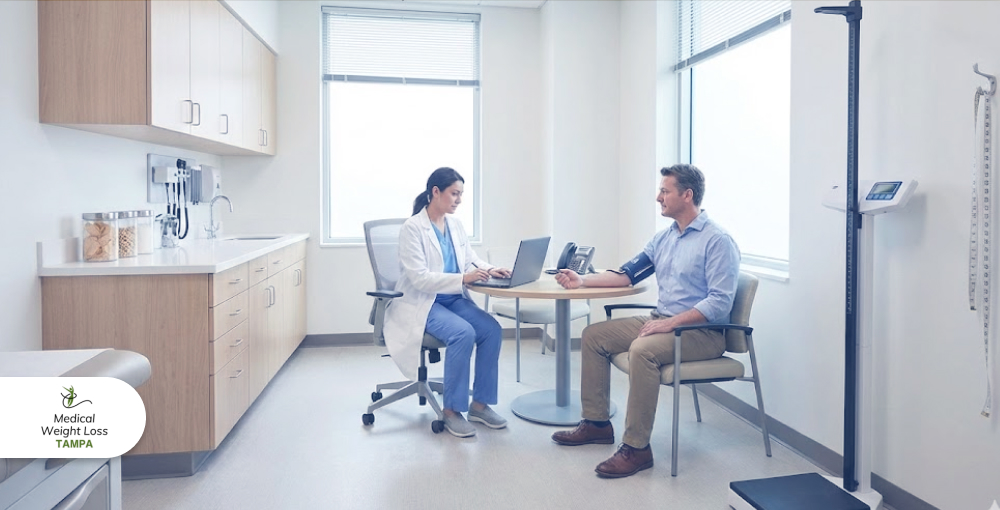
Your first visit is a medical intake, lab review, and a planning session. Expect a focused history, vitals, and baseline measurements. We draw or review necessary labs and discuss your goals in plain language.
We explain likely side effects, the titration schedule, and how often we will check in. If medication is appropriate, we outline cost options and start paperwork while you are here.
You leave with a clear calendar of follow-ups, a supplement plan if needed, and a phone number for quick questions. Our intake is efficient, respectful of your time, and thorough so your path forward is simple and safe.
(11) How Do We Support You for Long-Term Weight Management?
Once you’ve passed the initial weight-loss phase, we shift our focus to preserving your metabolic gains, preserving muscle, and stopping regain before it starts. For example, through periodic labs (liver, kidney, and blood sugar), body-composition checks, and behavior coaching, we help you understand exactly how your body is responding over time.
Because obesity is often a chronic condition, many experts recommend viewing GLP-1 therapy similarly to long-term treatments like blood pressure medicine. It’s not uncommon to continue on a low but effective dose long term.
In fact, stopping GLP-1 therapy abruptly often leads to weight regain. A recent meta-analysis found that people who stopped semaglutide or tirzepatide regained, on average, nearly 9.7 kg. After stopping, about 75.6% of the weight lost may return , though the rebound slows over time. That’s why, if you and your doctor agree to taper or stop your medication, we build a gradual plan and layer in extra lifestyle support.
We also rely on proven models. As per the National Library of Medicine, a trial in Copenhagen showed that combining GLP-1 therapy (liraglutide) with exercise. It led to better maintenance of fat loss one year after stopping, compared to stopping the drug alone.
Book with Medical Weight Loss Tampa
We make starting simple. Call or book online, and we will reserve a thorough intake that fits your schedule. Bring a current med list, recent labs if you have them, and questions you want answered. Expect clear next steps after your visit and a plan that fits real life. If you are unsure about eligibility, we will run the right tests and suggest alternative steps.
We welcome conversations and will never rush a decision. Schedule your appointment, and let us guide you with medical expertise and the kind of support that turns short-term wins into lasting health.

November 22, 2025
Best Weight Loss Options in Tampa: What to Know Before You Choose
The best weight loss options in Tampa are not found in trendy diets or quick fixes. They rely on structured guidance, steady progress, and approaches that fit your body and lifestyle. Medical Weight Loss Tampa has seen many people start with high hopes and feel discouraged when results fade or plateau.
Real change comes from understanding how your body responds to nutrition, activity, and daily habits. Everyone’s metabolism and challenges are unique, which makes generic programmes unlikely to deliver satisfactory results.
Across the city, numerous programmes promise fast results, yet only a few focus on long-term health. One factor sets the successful approaches apart from the rest. Discovering that factor could completely transform your weight loss journey.
1) Why Clinically Supervised Weight Loss in Tampa Leads to Safer Results
Without professional guidance, weight loss can become a cycle of frustration, confusion, and inconsistent results. People often try one diet after another, only to face fatigue, nutrient deficiencies, or rapid weight gain. Supervised programmes remove this uncertainty, providing structure, personalized guidance, and consistent accountability.
We focus on a method that combines safety, proper nutrition, and steady progress. Every programme begins with a detailed health assessment to understand your metabolism, medical history, and lifestyle. From there, we design a plan that balances calorie management, nutrient intake, and gradual activity adjustments, ensuring that each step is sustainable and effective.
Monitoring is a major part of our approach. We track progress, adjust strategies as needed, and address any challenges early, so challenges do not derail overall success. Participants often report improved energy levels, better sleep, and enhanced overall wellness alongside steady weight loss.
Research confirms that individuals in medically supervised programmes maintain their results longer and experience fewer health complications compared to those following self-directed diets (PMC, Obesity Treatment Outcomes Review).
This structured process turns effort into progress and uncertainty into confidence. Progress becomes measurable, realistic, and aligned with overall health, allowing individuals to develop habits that last far beyond the programme itself.
2) Exploring Medical and Non Surgical Weight Loss Programmes in Tampa

When searching for the best weight loss options in Tampa, the most effective choice depends on your health condition, daily routine, and goals. Every approach has a different way of helping the body lose weight while maintaining energy and balance. Some focus on gradual habit changes, while others provide structured medical support for more complex needs.
Here are some of the main options to consider:
Lifestyle and Nutrition Counseling: This method focuses on small, manageable shifts in eating behavior. It teaches portion control, meal planning, and how to read food cues. People who adopt this strategy often notice improved energy and fewer cravings because their diet aligns with realistic daily choices.
Prescription Weight Loss Medications: These medications are used under professional supervision to help manage appetite and support metabolic function. They work best when combined with healthy eating and regular activity. While they are not meant for everyone, they can be highly effective for individuals who need additional medical support to reach their target weight safely.
Non-Surgical Medical Programmes: Medical Weight Loss Tampa specializes in structured programmes that combine nutrition guidance, safe prescription use, and behavior modification. Progress is reviewed consistently to ensure healthy outcomes. These programmes often help patients develop routines that lead to measurable, lasting success.
Bariatric Surgery: This option is suitable for individuals with severe obesity or conditions such as diabetes or heart disease. Procedures like gastric sleeve or bypass limit food intake and influence digestion. They require long-term medical monitoring and lifestyle changes to maintain results safely.
According to research, individuals enrolled in medically supported, non-surgical programmes show higher success rates and better long-term adherence compared to those using self-directed plans (NIH, Obesity Research Report). These structured programmes help people reach their goals while maintaining overall health and stability.
3) Evidence Based Weight Loss Treatments Tampa Residents Trust
Sustainable weight loss happens when the approach fits the body’s natural needs. Quick-fix diets and extreme plans may show results for a short time, though they rarely last. Science-based methods focus on steady improvements, supporting both health and long-term weight management.
We use these strategies as the foundation for every programme at Medical Weight Loss Tampa. We try to ensure progress is achievable, safe, and works with your lifestyle.
The main elements that support effective, persistent weight loss include:
Nutrition that fuels the body efficiently
Weight loss is not just about eating less. Balanced meals with lean protein, fiber, and complex carbohydrates provide steady energy, reduce sudden hunger, and keep metabolism active. When food choices support daily energy needs, maintaining healthy habits becomes easier and less stressful (NIH, Dietary Health Research).
Behavioral habits that strengthen daily routines
Successful weight management relies on consistent behaviors, not occasional effort. We help patients set realistic goals, track meals, plan ahead, and manage stress, reinforcing habits that last. People who embrace these strategies are more likely to maintain progress long term (PMC, Behavioral Weight Management Study).
Physical activity that fits real life
Exercise does not have to be extreme to be effective. Walking, cycling, or light resistance training done regularly improves fat loss, mood, and overall fitness. The CDC reports that adults who complete at least 150 minutes of moderate activity weekly can reduce their risk of heart disease, diabetes, and early death by up to 40 percent (CDC, Physical Activity Guidelines for Americans, 2nd Edition). We encourage activities that fit naturally into your day, making movement easier to maintain.
We combine these elements into programmes that grow with you. Progress is monitored, adjustments are made when needed, and success is measured by steady improvements, not speed. When nutrition, behavior, and movement work together, weight loss becomes part of everyday life rather than a temporary effort.
4) Common Mistakes People Make During a Weight Loss Journey

Even with strong motivation, people often slow their progress because of habits that seem harmless at first. Knowing these mistakes can help you reach results faster and keep them for the long term.
Skipping meals or extreme dieting: Cutting calories too much may seem like a shortcut way to reduce weight. However, it can lower energy and slow metabolism. People who skip meals often feel intense hunger later, leading to overeating. Eating balanced meals at regular times supports steady weight loss and overall health.
Relying only on exercise: Exercise is important, yet it cannot fully make up for unhealthy eating. Some people think that working out hard allows them to eat anything. Combining consistent physical activity with smart food choices works much better than focusing on one and ignoring the other.
Following someone else’s plan exactly: Everyone’s body reacts differently to food, exercise, and stress. Copying a friend’s programme without adjustment can lead to frustration or slow results. Programmes that adjust strategies based on individual needs help people progress faster and stay motivated.
Trying quick fixes: Fad diets, supplements, or programmes that promise fast results rarely work long term. Any weight lost often returns quickly, leaving people discouraged. Approaches based on science, steady progress, and habit changes are much more reliable.
Medical Weight Loss Tampa helps people avoid these mistakes through clear guidance, nutrition support, and safe medical strategies.
5) How to Choose a Reliable Weight Management Clinic in Tampa

Choosing the right programme is about more than promises of quick results. True, lasting progress comes from consistent support, careful monitoring, and guidance grounded in medical knowledge.
When evaluating a programme, we suggest starting with the qualifications and experience of the team guiding your plan. Every participant should receive a complete health assessment, including metabolism and nutrition analysis, so the programme matches individual needs.
Follow-up care is equally important, helping patients maintain results and address challenges that arise after reaching their goals. Clear communication about progress, expectations, and costs ensures you know exactly what to expect throughout your journey.
Programmes that follow these principles are more likely to produce safe, lasting results and higher patient satisfaction (NIH, Clinical Guidelines on Obesity Treatment). We focus on these elements in every programme, providing support that is structured, measurable, and sustainable.
Get Moving with Medical Weight Loss Tampa and Find a Weight Loss Programme Tampa That Fits You
Losing weight is mainly about improving energy, confidence, and overall well-being. The best weight loss options in Tampa focus on steady progress, realistic goals, and ongoing support that fits your lifestyle.
We design every programme to help people build habits that last. From balanced nutrition to daily routines and consistent activity, our approach encourages healthy changes that continue long after the programme ends. We monitor progress, adjust strategies when needed, and celebrate milestones along the way.
When science, guidance, and commitment work together, weight loss becomes more than a temporary challenge. It becomes a sustainable part of life, helping you feel stronger, healthier, and more confident every day.
If you are ready to begin a plan that works for your body, reach out to Medical Weight Loss Tampa. Our team is here to guide you, answer your questions, and help you take the first real step toward a healthier you.

November 16, 2025
How I Help Patients Improve Posture to Prevent Back Pain
"Improve posture to prevent back pain," a phrase you have probably heard before. Yet rarely paused to unpack. Most people think of posture as just how they sit or stand. I see it differently. In my years as a physiotherapist, posture is more like a conversation between your body and gravity, one that turns tense when balance slips.
Day after day, I meet people who don’t realize how small habits. For example, leaning toward a screen, crossing one leg, and ignoring that stiff shoulder can slowly reshape the spine’s order. It doesn’t happen overnight, which is why it’s easy to miss.
And when the first real signal arrives, it’s not always pain. Sometimes, it’s something gentler, something your body whispers long before it starts to ache.
I) Common Posture Mistakes I See in My Practice
Most bad posture habits begin quietly, often during routine moments like checking emails or sitting through long meetings. As a physiotherapist, I notice how many people lean toward their screens, believing it helps them focus, while their shoulders slowly round forward and their spine carries the extra weight.
According to the American Chiropractic Association, poor posture is now one of the most common triggers of preventable back pain among office workers.
Another frequent mistake is the uneven weight shift, where someone stands with one hip popped out or leans on one leg for balance. It feels effortless, yet over time, it can cause pelvic misalignment and tightness in the lower back. The same goes for looking down at a phone for hours, a habit now referred to as “tech neck,” which increases strain on the cervical spine and upper back muscles.
Posture correction tips do not need to be complicated. Begin by keeping both feet grounded, adjusting your chair so your lower back is supported, and setting your screen at eye level. Even standing and stretching every 30 minutes can help reset muscle tension and improve blood flow. Small, consistent changes like these train your body to find balance again, something no quick fix can replace.
II) How Poor Posture Leads to Back Pain
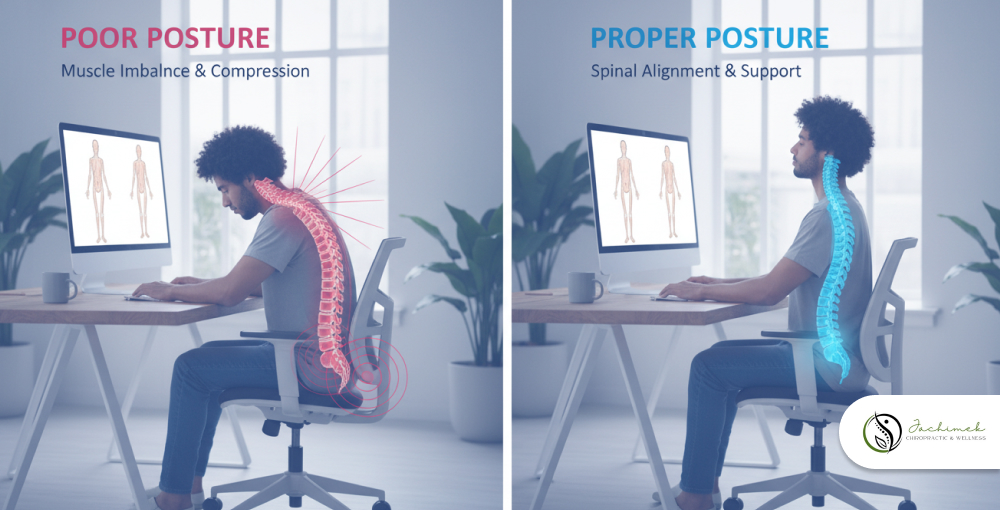
Poor posture is more than a cosmetic concern. It is a primary contributor to back pain. When the body is misaligned, muscles and joints bear uneven loads, leading to strain and discomfort. Over time, these misalignments can result in chronic pain and other health issues.
Short-Term Effects
Initially, poor posture may cause muscle fatigue and discomfort. For instance, sitting with a rounded back can stress the muscles in the lower back and neck, leading to stiffness and soreness. These effects are often temporary. However, they can become more obvious with prolonged poor posture.
Long-Term Effects
Over time, sustained poor posture can lead to chronic back pain. Misalignments can cause spinal discs to tear, resulting in conditions like herniated discs or degenerative disc disease. Additionally, muscle imbalances can develop, where certain muscles become overactive and tight. While others weaken, further exacerbating pain and discomfort.
Muscle Tension and Spinal Stress
Poor posture places uneven stress on the spine and surrounding muscles. This imbalance can lead to muscle tension and spinal misalignments, contributing to chronic pain. Over time, these issues can escalate, leading to more severe conditions if not addressed.
Preventing Back Pain Through Posture Correction
Addressing poor posture is essential in preventing and treating back pain. Simple adjustments, such as maintaining a neutral spine alignment, using ergonomic furniture, and taking regular breaks to move and stretch, can significantly reduce the risk of developing back pain.
By becoming more aware of posture and making conscious efforts to improve it, individuals can protect their spine health and enhance overall well-being.
III) My Go-To Techniques for Posture Correction
Did you know that, according to the CDC National Center for Health Statistics (NCHS) Data, approximately 39% of adults in the U.S. experienced back pain in the past three months, with the prevalence increasing with age?
These statistics highlight the widespread impact of poor posture on spinal health. As a physiotherapist, I often see how small, everyday habits can lead to significant discomfort. Here's how I approach posture correction with my patients:
I often begin with simple, everyday adjustments. For instance, adjusting the height of your computer monitor so that the top of the screen is at or just below eye level can reduce neck strain. Similarly, ensuring that your chair supports the natural curve of your spine can reduce lower back discomfort. These adjustments to the body are foundational steps in addressing poor posture.
Beyond environmental adjustments, incorporating specific exercises into your daily routine can be highly beneficial. I frequently recommend stretches and strengthening exercises that target key muscle groups. For example, the Superman exercise, which involves lying face down and lifting your arms and legs simultaneously, strengthens the lower back, and improves posture. Wall angels, performed by sliding your arms up and down a wall while maintaining contact, enhance shoulder mobility and upper back strength.
It's also important to address muscle imbalances that contribute to poor posture. Strengthening the muscles of the upper back and core can counteract the effects of prolonged sitting and slouching. Exercises like the I-Y-T sequence, which targets the upper back muscles, and planks, which engage the core, are effective in building strength and stability.
Incorporating these exercises into your daily routine can lead to noticeable improvements in posture and a reduction in related discomfort. However, consistency is key. When you make these adjustments and incorporate these practices into your daily routine, you can improve your posture and reduce the risk of back pain.
If you're experiencing persistent discomfort, it's important to consult with a healthcare professional for personalized advice and treatment.
IV) The Role of Awareness and Movement

My work with clients at the clinic always starts with a simple truth. Posture isn’t fixed. It changes with what we do and what we don’t do. So one of the most powerful approaches I bring into sessions is mindful movement and body awareness.
Did you know that, as per the Centers for Disease Control and Prevention, only about 1 in 4 U.S. adults meet the federal guidelines for both aerobic and muscle-strengthening activity? This under-activity shows up in posture: workdays spent seated, minimal breaks, and static positions—these add up. When movement drops, awareness tends to drop too, and that’s exactly when posture slips into uncomfortable territory.
Awareness begins with noticing. I ask clients to check in with themselves: How am I standing right now? Are my shoulders creeping forward? Is my lower back flat against the chair or rounding? These questions are simple; however, the answers can be revealing.
Movement resets the body. Even a minute or two of mobility drills every half-hour can shift the balance. I recommend these at-home or at-desk drills:
Shoulder blade squeezes: Sit tall, squeeze shoulder blades together for five seconds, and release. Repeat 8-10 times.
Hip hinge with reach: Stand, bend knees slightly, hinge forward keeping spine neutral, reach toward ground, and return. Repeat 6-8 times.
Seated cat-cow: While seated, place hands on knees, arch spine gently (cow), then round upper back (cat). 5-7 cycles.
I also encourage setting reminders. Such as a phone alert every 30 minutes or a sticky note on the monitor: “Check your posture.” These reminders foster what I call “posture awareness,” and they matter because sitting still for long periods without conscious breaks is a major contributor to discomfort. According to Centers for Disease Control and Prevention data, about 25% of U.S. adults report inactivity outside of work. That means a lot of us are giving our spine no off-button, no reset.
As you build awareness and movement into your day, you’ll likely notice less stiffness when you stand up, fewer “tweaks” in the lower back, and maybe even improved energy. These are wins.
V) When to Seek Professional Help

Sometimes, even after all the right stretches and posture tweaks, the ache lingers. If you wake up stiff, feel that dull pull in your lower back, or catch yourself massaging your shoulders halfway through the day, it might be time to get things checked out.
According to the National Center for Health Statistics, nearly 4 in 10 U.S. adults report back pain every few months, most of it linked to posture and muscle strain as per
I often see people who tried to manage it alone until the discomfort became part of their routine. My approach focuses on realigning posture, easing tension, and building gentle strength so your body relearns how to move freely again.
If your back pain keeps coming back, don’t wait it out. Book a posture assessment at Jachimek Chiropractic and start restoring the balance your body has been asking for.

November 16, 2025
Why Am I Not Losing Weight Even on a Medically Supervised Plan? 5 Hidden Saboteurs
I run Medical Weight Loss Tampa, and every week I meet patients who have followed the plan to the letter, yet the scale will not cooperate. They hand me food logs, screenshots of their workouts, and a fatigue that feels like bad luck, but luck is rarely the culprit. As a physician, I look for patterns buried under effort, small betrayals the body keeps private until we ask the right questions.
I will name five hidden saboteurs, show how I test for them, and explain the changes I make in the clinic. One of these saboteurs turns up in the quietest part of a patient history, and when I point to it, the room usually goes still, because it can change everything.
(1) Hormones Can Rewrite the Rules
When I sit across from someone who has been doing everything their plan asks, lab slips quietly into the conversation and becomes the book I wish every scale would read. Blood tells stories that the mirror cannot, numbers that explain why a diet that worked for a neighbor seems to stall on your body. I have learned to listen to those numbers the way a detective listens to a witness, because often the reason for slow progress lives in hormones, not in willpower.
An underactive thyroid slows the body’s baseline engine, and that slowdown can show up as unexpected weight gain, fatigue, and a general sense that effort is met with resistance, not reward. Treating hypothyroidism with appropriate hormone replacement usually resets that engine, and for some patients the shift is the single most meaningful change they experience.
Insulin resistance is another quiet architect of stalled weight loss, it nudges the body to hold on to calories as fat rather than burn them, and it alters how muscle and fat respond to food and exercise. In practice, that means two people eating similar meals can have very different metabolic outcomes, because one person’s insulin is doing more of the work of tucking energy away. We test for insulin resistance and tailor nutrition and medication choices accordingly, because changing insulin signaling changes the whole playing field.
Then there is cortisol, the stress hormone that, when chronically elevated, rewrites appetite and fat distribution. Long-term exposure to higher cortisol levels is linked to increased abdominal fat and to metabolic patterns that make weight loss slower and more stubborn. In the clinic, I watch how life stress, chronic worry, and physiological stressors pile up, and I treat stress as a metabolic factor just as real as a lab value.
(2) Small Habits Hide Big Calories

When I ask a patient to bring a food journal, some of them look at me like I have asked for a confession. I do not want confession, I want data. A store bought smoothie can carry as much sugar as a dessert, an afternoon latte can quietly add 200 to 400 calories, and the handful of office snacks that feel tiny in the moment add up fast.
Beyond beverages, what I see again and again in those journals is the little narrative that hides behind numbers, the pattern no one notices until we write it down. Someone will report they are “eating well,” and their log will reveal evening plates that grow in size after a long workday, or a so-called healthy snack that is really a mini meal. Clinical research finds that people who keep food records lose more weight than those who do not, because tracking increases awareness and helps us make targeted changes together.
Then there is movement that does not look like exercise but matters enormously. Modern office life has eroded non-exercise activity, the small motions of walking, fidgeting, and climbing stairs that used to add up over the day. In practical terms, two patients with similar gym habits can have very different total daily energy burn because one is up and about all day while the other is glued to a chair.
Living and working in Tampa changes the shape of the problem as well. Heat and humidity make light activity feel harder and push people indoors into more sedentary routines. I tailor advice to the climate, suggesting cooler times for outdoor movement, shorter sessions that can be repeated, and hydration strategies so the body does not fatigue sooner than it should.
(3) The Invisible Weight of Stress and Sleep
When sleep is short or broken, the hormones that tell us when to stop eating and when to seek food shift in ways that favor appetite and snacking. Research shows acute and chronic sleep loss alters ghrelin and leptin, which can increase hunger and make calorie control harder, especially for foods high in fat and sugar.
I have watched this pattern play out on the page of a food diary, late-night entries swelling with convenience food, or in the clinic, where someone reports being exhausted yet still reaching for carb-rich snacks to push through the day. A narrative review and clinical studies link fragmented or insufficient sleep to greater energy intake and poorer dietary choices, and that added intake often explains why a carefully followed plan still produces little change on the scale.
Sometimes the disruption is a diagnosable sleep disorder. I once had a patient who had plateaued for months despite paying close attention. When we screened for sleep apnea and confirmed it with a sleep study, treatment transformed her energy levels. Improving sleep does not magically erase excess weight, but it clears a fog that lets diet, medication, and movement actually register as effort.
Night shift workers present another, quieter problem. Circadian misalignment, when your body clock is out of sync with your sleep and meal timing, is associated with higher rates of obesity and metabolic dysfunction. I have patients who work nights and describe a slow creep of weight and blood sugar changes that did not respond until we addressed timing, light exposure, and sleep scheduling alongside diet.
Stress lives in this same neighborhood, because chronic activation of the stress response raises cortisol and shifts how the body stores fat, favoring abdominal deposition and insulin resistance. When we pair behavioral strategies, sleep treatment, and sometimes targeted medical therapy, patients who felt stuck begin to see gradual, durable change.
(4) Sometimes It Is Your Medication or Medical Condition

Sometimes it’s your medication. I say that often, because many people arrive at my office feeling like they’ve somehow failed their own bodies. What they rarely realize is that certain prescriptions, while lifesaving or essential for other conditions, can quietly shift metabolism, appetite, and fat storage in ways that work against every ounce of effort.
Antidepressants are the most frequent culprits I see. Drugs in the SSRI or SNRI families can raise appetite or alter how the body processes carbohydrates. They are not inherently bad, many patients need them, but they remind me that metabolism and mood chemistry are deeply connected. When I recognize that pattern, I never tell a patient to stop their medication; instead, I coordinate with their prescribing doctor to see whether an alternative or a dosage adjustment might help.
Beta blockers, used for blood pressure and heart rhythm control, also deserve a mention. They slow the heart rate and can slightly reduce metabolic rate. Patients on these drugs often report fatigue that makes regular exercise feel harder than it should. When I see that, I build more gradual physical activity into their plan and focus on nutrition strategies that account for this slowed pace. The goal is not to undo the medication’s purpose but to work with it.
And then there are medications people forget to mention: corticosteroids for joint pain, certain antipsychotics, even over-the-counter supplements that promise energy but contain hidden stimulants or sugars. Each one can play a quiet role in weight stalling or gain.
The turning point for many of my patients comes during what I call the “inventory visit.” We go through every medication, every supplement and look for patterns. Once we uncover the hidden interference, progress stops feeling mysterious. It becomes something we can measure, adjust, and finally move forward from.
(5) Plateaus, Expectations, and Patience

After the early losses of water and glycogen, the body often settles into a steadier state, lowering resting energy needs and conserving motion. That conservation can feel like betrayal, when in truth it is biology doing its job, trying to protect you from what it perceives as a threat.
We moved from a single digit on a scale to a suite of measurements that actually track health and resilience. We looked at body composition, using tools like DEXA or bioelectric impedance to see fat loss and muscle gain that the scale could not show. We measured waist circumference, watched strength increase in the gym, and listened to reports of better sleep, steadier moods, and fewer afternoon crashes.
Progress comes in many currencies, and I count more than pounds. Blood pressure, fasting glucose, hemoglobin A1c, cholesterol, and inflammatory markers often improve before the scale budges, and those improvements predict long-term health in ways a single morning weighing never will. Clothes that fit differently, easier stair climbs, and the return of energy are victories worth naming out loud.
In the clinic we set realistic pacing, aiming for a steady loss of 1 to 2 pounds per week when appropriate, and we plan intentional adjustments when the body plateaus, changing macronutrients, adding focused strength training, or revisiting medications and sleep.
I invite you to a private consultation. Call us or book a visit online. We will listen to your story, review your labs, and uncover the hidden saboteurs that have stalled your progress.

November 9, 2025
Which GLP-1 Is Best for Weight Loss in Florida?
I meet patients the way most doctors meet other humans, with a pen in one hand and an impatient curiosity in the other. I listen to their histories as the opening lines of a story that usually includes hard days, small triumphs, and the reasons they finally walked through our door.
Lately, the conversation most patients want is about GLP-1 medications. They arrive with headlines, friends' anecdotes, and worry about cost, side effects, and whether a shot will change how they show up for work, family, and sleep. I explain the biology, and then I make medicine practical, because drugs only change outcomes when we pair them with diet, movement, and honest follow up. I also tell them the hard parts, the things insurance will not cover, the nausea that can be real, and the tests I insist on before we begin.
This is the work I choose, and it has quieter rewards than the tabloids describe, rewards like mornings when a patient stops fearing stairs or an evening when a child runs ahead without lagging. Then, one Tuesday in the clinic, a chart came across my desk that did not fit any pattern I had come to expect, and it forced me to rethink who should get which drug, and why, in a way that changed the rest of that patient’s plan.
(1) Why GLP-1 Medications Became Part of My Work
When I decided to offer GLP-1 therapies at Medical Weight Loss Tampa, it was because the biology and the data matched the clinical problem I see every day. GLP-1 receptor agonists mimic a gut hormone that helps the body tell the brain, "I am full," slow down the next meal, and balance insulin and glucagon signaling.
Those combined effects reduce appetite and delay gastric emptying, and that mechanism explains why many patients lose meaningful weight when we pair the drug with deliberate lifestyle changes.
Clinical approvals turned theory into practical tools I could use with patients. Semaglutide at the Wegovy dose earned FDA approval for chronic weight management in 2021, and tirzepatide, marketed for weight as Zepbound, was approved for chronic weight management in November 2023, both as adjuncts to diet and exercise. Those approvals mean the drugs were tested specifically for weight loss in people with obesity or overweight plus related conditions, not only for diabetes.
In my clinic I pay attention to relative effectiveness, because patients want honest expectations. Head-to-head and large trial data show tirzepatide produces larger average weight losses than semaglutide at the commonly studied doses, and both outperform older options like liraglutide when used appropriately.
The most common adverse effects are gastrointestinal, nausea, and changes in bowel habits, which are usually manageable but sometimes lead patients to stop the drug. There are also important contraindications; for example, a personal or family history of medullary thyroid carcinoma or multiple endocrine neoplasia type 2 rules out several agents, and regulatory agencies have flagged concerns such as pancreatitis in some cases.
Finally, I warn patients about unapproved products sold online, because the FDA has issued warnings about companies marketing unapproved GLP-1 preparations that put people at risk. Those realities change how I start treatment, how slowly I titrate doses, and how closely I follow labs and symptoms.
(2) How I Choose the Right GLP-1 for the Right Body

When someone comes to me carrying weight that hurts their joints or with blood sugar that climbs too easily, I think about semaglutide first. That is Wegovy. It asks only for a weekly commitment, and many of my patients appreciate how that fits into work and family routines. It has strong evidence behind it, and when nausea shows up in the first weeks, the slow dose increases usually bring relief.
Zepbound has become a kind of new promise, because tirzepatide works in two hormonal ways rather than one. The weight loss numbers are impressive, but I look beyond numbers. I think about whether a person has tried similar medications before, whether they hope to address type 2 diabetes at the same time, and whether their body handles appetite changes gently or fights back at first.
Saxenda is still part of the conversation. Liraglutide has years of data behind it. Some insurance plans in Florida make it more accessible than the newer medications. Daily injections can be a small inconvenience or a meaningful barrier, depending on someone’s schedule and comfort with needles. If a person has trouble with the stronger appetite changes from semaglutide or tirzepatide, Saxenda can feel steadier.
There is the clinical story, the one printed in medical journals. Then there is the lived story, the one that takes place in grocery aisles and office break rooms and quiet kitchens late at night. I weigh those stories together. A medication can only change a life if it matches the life that is waiting for it.
(3) How I Support My Patients Beyond the Injection
A tiny needle can start a powerful shift, but it is never the whole story. When a patient begins a GLP-1 medication with me, I stay close to their progress. Weight loss is a long road, and no one deserves to walk it alone. We sit together and talk about food that feels comforting, food that feels nourishing, and the moments when hunger is not hunger at all but stress or loneliness wearing a disguise.
I help patients build a routine that makes sense in their real life. Some people benefit from meal structure, others need gentle adjustments that make habits feel possible rather than punishing. We celebrate protein goals and fiber that makes digestion steadier. We laugh about the strange experience of suddenly forgetting to finish a plate that once felt mandatory.
Mental weight can be heavier than physical weight. Many of the people who sit with me carry disappointment from past diets that promised transformation and then vanished when willpower ran out. I remind them that biology is not a character flaw.
I keep checking on their mood, motivation, and how their relationships with food evolve. There are weeks when the scale refuses to cooperate, and those are the weeks I lean in even more.
(4) What My Patients Ask Me in Tampa

Some worry they will be tied to the medication forever. I tell them the truth. Biology does not magically rewrite itself after a few months. These medicines correct signals that have been out of tune for years. When we stop, those old signals can return. Still, forever is not always the plan.
Some patients stay long enough to reach a healthier weight and build habits that keep them steady. Others remain on a maintenance dose because it protects the progress they fought for. We decide together, not on day one, but as their body evolves.
Side effects are brought up early in the conversation. Nausea visits some people in the opening weeks, a queasy reminder that appetite is changing. Slower eating and smaller portions soften that discomfort. I monitor hydration and digestive health closely, because no one should feel miserable while healing. Most side effects fade as the dose rises slowly and the body adapts.
Safety matters more than any headline about miracle results. GLP-1 medications have been studied for years in diabetes care and now in obesity treatment. The risks are real, like any medication, and I walk my patients through them one by one. Personal and family history helps me see potential problems before they appear.
When someone places their fears in my hands, I do not take that lightly. Trust grows when every question meets an honest answer.
(5) The Results I See and the Hope I Hold

There are days when nausea interrupts dinners, when insurance says no for the third time, when a patient steps onto the scale and feels like gravity has won. Those days can bruise hope. I sit with them anyway, because weight loss is rarely a straight line. The moments that look like setbacks often become turning points when someone keeps going instead of turning back.
I have learned not to measure success only by pounds. I measure it in the breath a patient no longer loses when tying their shoes, in the morning they wake up before the alarm with energy they thought they had lost forever, and in the way they start to believe they deserve good health. Sometimes the numbers come later. Sometimes they come in sudden waves.
The hope I hold is rooted in what I see every week. When science and support meet a person’s determination, change becomes possible in a way that feels almost unfair to the life they lived before. Not effortless, never effortless, but possible. That is a kind of hope worth protecting.
Every patient who walks into my office brings their own history of trying and hurting and trying again. I tell them that this chapter can feel different, not because the medicine is powerful, but because this time they do not have to do it alone.
October 21, 2025
Can PRP Help with Muscle Tears While You're Losing Weight?
Losing weight is a full-time job, a juggling act of meals, workouts, and motivation. Then a muscle injury hits, and every step, squat, or stretch becomes a reminder that your body has its limits. Staying active while shedding pounds suddenly feels like walking a tightrope.
Platelet-Rich Plasma, or PRP, has been quietly helping athletes bounce back faster from injuries. Could it do the same for someone trying to heal a muscle tear without slowing their weight loss? The surprising answer might change how you think about recovery and results.
1) What Is PRP, the Blood Hack Everyone’s Talking About
Platelet-Rich Plasma (PRP) is a therapy derived from a patient’s own blood that has been gaining attention in sports medicine and rehabilitation.
Concentrated platelets: First, a small amount of blood is drawn and spun in a centrifuge. This separates out the platelets, which are packed with growth factors. These are proteins that signal your body to repair and regenerate tissue. This process enhances your body’s natural repair abilities.
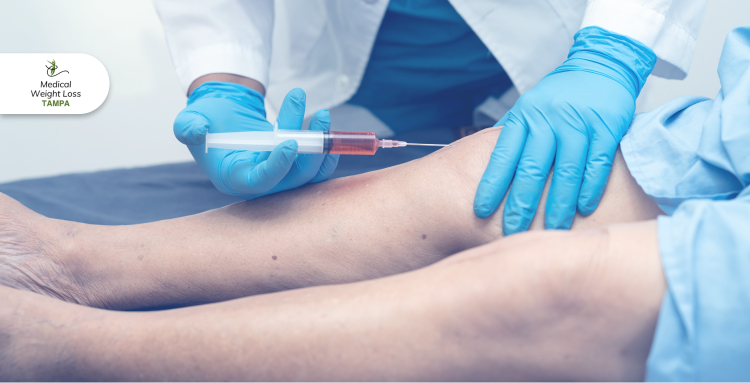
Injection into injured muscle: Once concentrated, the platelets are injected directly into the injured area. This delivers the healing agents where they are needed most. Patients may feel some soreness initially, followed by gradual improvements in strength, flexibility, and comfort over the following weeks.
Athletic origins: PRP first became popular in the U.S. among professional athletes seeking faster recovery from muscle and tendon injuries. Stars across basketball, baseball, and football helped bring attention to this therapy.
Clinic expansion: Today, PRP is available in rehabilitation centers, sports medicine clinics, and medical weight loss practices. It is offered to anyone with a muscle injury aiming to recover more efficiently and safely.
Johns Hopkins Medicine describes PRP as concentrated platelets rich in growth factors that support healing (Johns Hopkins Medicine).
While the concept is simple, effectiveness depends on precise preparation, the skill of the injector, and timing relative to the injury. Many clinics combine PRP with physical therapy to maximize recovery.
2) What Science Actually Says About PRP and Muscle Healing

Research into PRP for muscle injuries is promising, though not conclusive.
Cellular benefits: Lab experiments show that PRP encourages muscle cells to grow, helps form new blood vessels, and reduces inflammation in damaged tissue (PMC, Platelet-Rich Plasma).Think of it as creating the perfect little repair shop inside your muscle, where the raw materials and machinery are ready to rebuild tissue faster.
Human study variability: Not every patient experiences the same results. Differences in how PRP is prepared, injected, and the individual’s health can lead to mixed outcomes. Some people notice moderate improvements, while others regain strength and function more noticeably.
Evidence from reviews: Large reviews of multiple studies show PRP can help some patients recover quicker. However, it isn’t a guaranteed solution. The takeaway is that personalized treatment plans matter, what works for one person might not work for another (PubMed, Platelet-rich plasma for muscle injuries).
Pain and recovery timelines: Meta-analyses suggest PRP can slightly shorten recovery time and reduce pain for acute muscle injuries. Even a modest improvement can be helpful for someone losing weight, as it keeps their fitness routine on track.
Factors influencing results: Age, overall health, severity of the injury, and whether other therapies like physical therapy are included can all affect outcomes. Patients who maintain balanced diets and regular exercise tend to see better recovery results.
The scientific consensus is evolving. PRP is mainly for carefully selected patients, it can accelerate certain aspects of healing while supporting mobility and activity, both important for ongoing weight loss.
3) Can You Heal Muscles While Losing Weight
Weight loss changes the body’s physiology in ways that affect injury recovery.
Calorie intake and healing: Insufficient calories, especially low protein, can slow tissue repair. This is particularly relevant for patients trying to lose weight quickly.
Muscle preservation: Resistance training and adequate protein intake help maintain lean muscle, which is essential for strength, metabolism, and functional recovery.
Research-backed nutrition: Clinical reviews show that protein intake and balanced macronutrients support muscle function even during calorie restriction, enhancing recovery outcomes (PubMed, Platelet-rich plasma for muscle injuries).
Reduced inflammation: Weight loss can decrease systemic inflammation, which may make the muscle environment more receptive to PRP therapy.
Timing matters: Integrating PRP injections with a carefully designed diet and exercise plan is important to avoid overtaxing healing muscles while still promoting fat loss.
PRP alone does not guarantee faster recovery during weight loss. However, when combined with proper nutrition and activity management, it can help maintain momentum and prevent loss of lean muscle mass.
4) Why Tampa Residents Are Trying PRP

Tampa is uniquely positioned for clinics offering integrated recovery and weight management programs.
Active, health-conscious population: Residents frequently engage in sports, running, and gym activities, increasing the likelihood of minor or moderate muscle injuries.
Medical Weight Loss Tampa: Clinics in the area combine PRP therapy with customized nutrition and exercise guidance to address both healing and weight loss goals.
Non-surgical solutions: Many patients prefer therapies that avoid downtime from surgery. PRP offers a minimally invasive option that supports recovery while allowing continued physical activity.
Community impact: Programs designed for Tampa residents encourage adherence to exercise plans and improve long-term weight management success by minimizing complications caused by injuries.
This combination of local demand and advanced recovery options shows how regional clinics can adapt high-level therapies like PRP for practical and genuine results.
5) Risks, Costs, and the Reality Check
PRP therapy is relatively safe but requires informed consideration.
Side effects: Pain, swelling, or mild infection at the injection site may occur. These are usually temporary and resolve within a few days.
Safety confirmation: Johns Hopkins Medicine notes that PRP is generally safe due to its autologous nature (Johns Hopkins Medicine).
Regulatory considerations: The FDA regulates PRP preparation devices. However, the therapy itself is not formally approved for muscle injuries. Patients should consult qualified medical providers to determine suitability (PMC, The Economics and Regulation of PRP).
Financial realities: PRP is often paid out-of-pocket, with insurance coverage rare. Costs vary by clinic and number of sessions required.
Understanding these considerations helps patients weigh the benefits of PRP against potential risks and expenses. Clinics offering integrated care often provide guidance to optimize outcomes while minimizing unnecessary costs.
6) The Bigger Picture of Recovery in Weight Loss Journeys
Recovery and weight loss are interconnected. PRP can enhance one without compromising the other when applied correctly.
Holistic recovery plans: PRP works best when it’s part of a bigger approach. Pairing injections with physical therapy, balanced nutrition, and regular check-ins with your healthcare provider creates a strong framework that keeps muscles healing and prevents complications.
Sustained progress: Injuries can slow weight loss if they limit your activity. Protecting muscle health with PRP ensures you can keep moving, maintain strength, and continue your journey without losing momentum.
PRP as a bridge: Think of PRP as a short-term boost that helps you get back to your routine faster. It supports recovery so you can safely return to strength training and cardio, rather than putting your goals on hold.
Behavioral benefits: Recovery programs that combine PRP with structured nutrition and exercise plans make it easier to stay consistent. By reinforcing healthy habits during the healing process, you’re more likely to stick to your plan and avoid frustration.
This broader perspective emphasizes that PRP is all about a strategic tool within a well-rounded plan.
8) Synergizing PRP Therapy with Complementary Treatments for Optimal Muscle Recovery

Platelet-Rich Plasma (PRP) therapy has emerged as a promising treatment for muscle injuries, using the body’s own healing mechanisms to accelerate recovery. When combined with complementary approaches, its effectiveness can be amplified, supporting faster and more comprehensive healing.
Physical Therapy
PRP starts the healing process at the cellular level, but muscles still need to move to regain strength and flexibility. Physical therapy fills that gap. Targeted exercises help injured muscles regain endurance, coordination, and full range of motion. Studies in The American Journal of Sports Medicine show that combining PRP with structured rehab exercises improved skeletal muscle healing in experimental models (PubMed, Postinjury Exercise and Platelet-Rich Plasma Therapies).
Nutritional Support
Muscle repair needs more than just rest. Protein, vitamins, and minerals act like building blocks for regenerating fibers and supporting collagen synthesis. Adding targeted nutrition to PRP therapy ensures your muscles get what they need to heal efficiently. Protein, vitamin C, vitamin D, zinc, and magnesium are especially important (Orthopedics & Sports Medicine).Think of it as feeding your recovery from the inside out.
Cryotherapy
Cold therapy is more than a trendy ice bath. Applying ice or using whole-body cryotherapy can reduce post-injection soreness and control inflammation, making it easier to get back to exercise. A study in The Journal of Sports Science & Medicine found that cryotherapy effectively reduces muscle soreness and inflammation after activity (PMC, Whole-Body Cryotherapy in Athlets). Early use of cold therapy can make rehab sessions more tolerable without slowing healing.
Massage Therapy
Massage is like giving your muscles a circulation upgrade. Techniques like deep tissue massage and myofascial release increase blood flow, reduce tension, and prevent scar tissue from forming. Research from the National Center for Complementary and Integrative Health shows that massage therapy can reduce pain and improve mobility in musculoskeletal injuries (NCCIH, Massage Therapy).When paired with PRP, massage helps muscles feel and move better faster.
Electrical Stimulation
Sometimes movement is limited due to pain or weakness. Electrical stimulation fills in by sending small impulses that make muscles contract. This keeps them active, promotes circulation, and supports fiber regeneration. Research in the Journal of Rehabilitation Research and Development indicates that electrical stimulation reduces atrophy and speeds functional recovery (PMC, Electrical Stimulation Therapy). It’s like giving your muscles a gentle wake-up call while they’re healing.
(9) Healing and Progress Go Hand in Hand with Medical Weight Loss Tampa
Muscle injuries can jeopardize weight loss goals. Medical Weight Loss Tampa provides an approach that combines healing with ongoing progress.
Integrated programs: PRP therapy is combined with personalized nutrition and exercise plans that align with each patient’s lifestyle.
Maintaining momentum: Structured programs help patients protect muscle health while continuing weight loss, preventing progress from being lost to injury.
Customized guidance: Plans are customized to individual routines and preferences, focusing on sustainable outcomes.
Support network: Patients receive continuous guidance, helping them adapt their routines as recovery progresses, ensuring long-term adherence and success.
Reach out to Medical Weight Loss Tampa to learn how our team can help patients recover, regain strength, and continue toward a healthier, stronger self.

October 21, 2025
How many PRP sessions are needed for hair regrowth in Tampa?
I meet countless patients who come in feeling frustrated by thinning hair. Some have tried every over-the-counter product on the shelf, others have resigned themselves to hats and hairstyles that hide more than they reveal. What many of us don’t realize is that there is a treatment option already inside our own body, one that can be used to restore growth and confidence.
I’m talking about PRP therapy, a hair restoration treatment that uses your own platelet-rich plasma to stimulate dormant follicles. It’s natural, it’s minimally invasive, and when done correctly, it delivers results that most people thought they would never see again.
The question I hear most is how many PRP sessions are really needed for hair regrowth in Tampa? Let’s discover the unexpected answer.
(1) How PRP Hair Restoration Therapy Works in Our Clinic
When a patient sits in my chair for PRP hair restoration, the process is far simpler than most expect. I begin by drawing a small sample of blood, the same way you would for a routine lab test. That blood is then spun in a centrifuge, which separates the platelet-rich plasma from the rest.
What makes this plasma so powerful is its concentration of growth factors. When I carefully inject it into areas of thinning on the scalp, those growth factors send a signal to the hair follicles to repair, strengthen, and grow. Each treatment builds on the last, gradually improving thickness, density, and coverage.
There’s no need for surgery, and recovery is swift. Most of my patients return to their normal day immediately, carrying with them the knowledge that their own body has just been triggered to do the healing work.
(2) How Many PRP Sessions Do I Recommend

One of the first things patients ask me is how many sessions they will need before they notice real improvement. I always explain that there is no single number that works for everyone, but after treating many men and women in Tampa, I have developed a clear pattern that guides my recommendations.
In most cases, I advise starting with a series of three to four PRP sessions spaced about four to six weeks apart. This initial phase is where the foundation is built. Each treatment stimulates circulation in the scalp, nourishes follicles with growth factors, and gradually encourages new growth. After the second session, many of my patients begin to notice less shedding, and by the third or fourth, early signs of thicker, healthier strands are usually visible.
For individuals with more advanced hair thinning, I often recommend extending that initial plan to five or six sessions. These extra treatments allow me to give weaker follicles repeated stimulation, increasing the chances of waking them up and restoring coverage in areas that have thinned significantly. Since every case of hair loss is unique, I always make this decision after carefully examining the scalp.
The patient's general health and way of life also affect how many sessions are required. Stress, poor nutrition, and underlying conditions can slow progress. When I notice those challenges, I explain to patients that additional sessions may be necessary to achieve their goals. In contrast, those who combine PRP with good hair care habits and healthy routines often see faster, more noticeable results.
Think of it as training the follicles to perform better. Just like going to the gym, consistency makes all the difference. The series of initial treatments acts like a jumpstart, but to maintain results, ongoing support is essential.
(3) What Results My Patients Usually See with PRP
When I guide a patient through PRP hair restoration, the changes unfold in stages, not overnight. The first improvement most people notice is a reduction in daily shedding. Hair that once collected on pillows, shower drains, or brushes begins to stay put. That shift alone can be a huge relief, because it signals the treatment is taking hold.
As the weeks pass, I often see subtle thickening at the roots, especially in areas where the scalp once looked exposed under bright light. These early sprouts may seem fine or soft at first, but over time they gain strength and texture. Around the three to four-month mark, many patients begin pointing out that their hair feels fuller when they run their hands through it or when they style it in the morning.
Results vary, but I have watched patients gain visible density across their crown, restore hairlines that had started to recede, and regain confidence they thought was gone for good. PRP does not create instant volume, but it steadily rebuilds from the inside out, relying on the body’s natural ability to repair and renew.
(4) Why We Need Ongoing PRP Maintenance for Long Growth

The initial round of PRP sessions is only part of the story. To keep those results alive, I encourage my patients to schedule maintenance treatments every six to twelve months. Think of it the way you think of regular dental cleanings or car tune-ups. You would never expect a single visit to the mechanic to keep your car running forever, and the same logic applies here.
Hair follicles respond best when they receive consistent stimulation. Without that ongoing support, the natural aging process and genetics will slowly take the upper hand again. A simple maintenance session recharges the follicles, reminding them to stay active and continue producing stronger strands.
I sometimes compare it to watering a plant. You don’t flood it once and hope it survives indefinitely. You nurture it on a schedule, and over time, that steady care creates lasting growth. In fact, I’ve had patients who keep up with maintenance so faithfully that their results remain strong for years. They treat the appointments like a routine part of their self-care, no different from exercise or a skincare regimen.
Even popular culture gives us reminders that consistency wins. Batman doesn’t save Gotham once and then retire. He shows up, again and again, to keep the city safe. Your hair follicles deserve that same steady protection if you want them to keep growing.
(5) My Expert Tips for Getting the Best Hair Restoration Results
When I work with patients seeking hair regrowth, I always remind them that PRP is most powerful when combined with healthy habits. Your scalp is part of your body, and everything that supports your overall wellness will also support stronger, fuller hair.
I encourage patients to eat a balanced diet rich in protein, iron, and essential vitamins. These nutrients are the raw materials your follicles need to build healthy strands. I also look at stress levels, because high stress hormones can weaken hair growth cycles. Simple routines like exercise, meditation, or even better sleep often make a visible difference in results.
In some cases, I suggest pairing PRP with other treatments. Topical medications, prescription options, or laser therapy can complement the injections, giving follicles multiple sources of stimulation. When patients commit to this combination approach, the improvements in thickness and texture often come faster and last longer.
The key is consistency, patience, and treating your hair with the same care you give the rest of your health. I see PRP as a tool, but the way you support your body every day is what determines how strong that tool becomes.
(6) Regrow Your Hair in Tampa with a Guided PRP Approach You Can Trust

If your hair has started to thin and you feel that quiet frustration of losing something so ordinary, this is not the end of the story. I have seen patients walk through our doors with doubt written on their faces, only to return months later with a renewed confidence. Their hair is fuller, but more importantly, they’ve reclaimed a piece of themselves they thought was gone.
The first step is simple. In a consultation, we will talk openly about what you are experiencing, look closely at what is happening beneath the surface, and design a plan that fits your unique needs. There is no pressure here, only guidance and care as the path unfolds.
This kind of change does not happen overnight. It grows steadily, with patience and persistence, and it belongs entirely to you. If you are ready to leave uncertainty behind and begin your regrowth journey, visit our Medical Weight Loss Tampa clinic. Together, we will see that small acts of care can awaken the extraordinary within the everyday.

October 21, 2025
Medical Weight Loss & PRP: How They Work Together for Faster Healing
I have seen how pain and slow recovery can quietly sabotage a person’s effort to lose weight. Many of my patients come in determined, ready to reclaim their energy and confidence, only to find themselves held back by joint pain, inflammation, or fatigue that keeps them from staying active. What most people do not realize is that healing and weight loss are deeply connected.
Platelet-Rich Plasma (PRP) therapy and medical weight loss intersect at this point. One helps the body regain balance and burn fat safely. The other accelerates tissue repair, eases pain, and restores strength from within. Together, they create a cycle of faster healing and sustainable weight loss.
I have witnessed it time and time again, the turning point when a patient stops fighting against their body and starts working with it. The real question is, what happens when science and recovery come together to rebuild a healthier you?
(1) What We Focus on in a Medical Weight Loss Program
Medical weight loss is a supervised and science-backed approach that focuses on more than numbers on a scale. It looks at your metabolism, hormones, lifestyle, and health history to create a plan meant specifically for you. With the right guidance, the process becomes safer, more predictable, and far more sustainable.
For many people, this means combining nutrition counseling, prescription medication when appropriate, and regular monitoring. It allows your body to lose fat without sacrificing muscle or energy. You begin to notice clearer focus, better sleep, and more stamina for everyday life. The weight loss itself becomes a byproduct of a healthier, more balanced system.
What sets medical weight loss apart is that it addresses the why behind weight gain rather than only the how of losing it. It does not rely on quick fixes or temporary solutions. It helps your body find a rhythm it can maintain long after the program ends.
This foundation of balance is what prepares your body for faster recovery and lasting healing when paired with PRP therapy.
(2) How We Use PRP Therapy to Help Your Body Recover

Your body already has powerful tools for healing, and PRP therapy simply helps it use them better. PRP is a treatment that uses a small sample of your own blood to speed up recovery and repair damaged tissue. After drawing the blood, it is processed to separate the platelets, which are rich in natural growth factors. These concentrated platelets are then injected into the area that needs healing.
Let’s make the science behind it easier to understand. Platelets are responsible for repairing injuries and creating new tissue. When more of them are directed to a specific area, they reduce inflammation, improve circulation, and trigger the body’s natural repair process. It is a simple yet effective way to support the body’s own healing ability.
PRP therapy is often used to treat knee pain, tendon injuries, and joint inflammation that can make movement uncomfortable. For someone working hard to lose weight and stay active, those pains can slow progress or even stop it completely. PRP heals the tissues and reduces pain, allowing you to move freely again without requiring pain medication or surgery.
Another advantage is that PRP therapy involves no artificial chemicals or long recovery times. Since it uses your own blood, there is no risk of rejection or allergic reaction. Most patients return to their daily routine the same day.
When your body heals faster, every workout, stretch, or step forward becomes easier. This is how PRP therapy helps people not only recover but also stay consistent in their weight loss journey.
(3) Why We Pair Weight Loss with PRP for Faster Results
In my work at Medical Weight Loss Tampa, I often see patients who are motivated to change but feel held back by pain, stiffness, or old injuries that flare up the moment they begin exercising. This is where the combination of medical weight loss and PRP therapy truly shines. Each treatment supports the other, creating a cycle where progress builds on itself.
When you begin to lose weight under medical supervision, your body does more than drop pounds. It reduces the pressure on your joints, eases tension on your tendons, and lowers inflammation throughout the system. Even losing a modest amount of weight can take stress off the knees, hips, and lower back. That relief alone makes movement easier, but what I have found is that PRP therapy amplifies the effect.
PRP, which uses concentrated platelets from your own blood, delivers growth factors directly to areas that require repair. If you are struggling with a worn-down knee or persisting tendon pain, PRP boosts the body’s natural healing process. And because your weight is coming down at the same time, the repaired tissue is not under the same heavy strain it once was. It has the chance to develop, not just recover.
I have had patients tell me that for the first time in years they can walk up stairs without wincing or get through a workout without feeling like their joints are on fire. That momentum is powerful. When the pain begins to fade, it builds confidence. Confidence leads to consistency. And consistency is the secret to lasting weight loss and healthier living.
The real value of combining medical weight loss with PRP is in giving your body the opportunity to heal while you rebuild your life. It is about breaking the cycle of injury and frustration that keeps so many people from reaching their goals. This is how science, medicine, and your own determination come together to create lasting change.
(4) How We Help You Regain Movement and Energy

One of the most rewarding parts of my work is seeing the moment a patient rediscovers how good it feels to move without pain. Weight loss and healing are not only about numbers or test results, they are also about quality of life. When the body begins to function the way it is meant to, energy returns naturally. Simple things like walking the dog, climbing stairs, or waking up without stiffness begin to feel easy again.
I often remind my patients that movement is freedom. Once PRP therapy has reduced pain and inflammation, and medical weight loss has brought balance back to the body, movement becomes a source of joy rather than struggle. That shift changes everything. Exercise stops being a chore and starts becoming something they look forward to.
The emotional change is just as important. Many people who come to me have spent years feeling stuck, frustrated by slow progress or old injuries that refuse to heal. When the body begins responding again, that frustration turns into motivation. Their posture improves, their confidence grows, and the reflection in the mirror starts to match how they feel inside.
This renewed energy also affects how they handle stress, sleep, and daily challenges. I have watched people go from feeling defeated to walking taller, eating better, and approaching life with more patience. When the mind and body are finally in sync, the results are not temporary. They last because the person behind them has changed too.
(5) Why You Should Have Professional Guidance at This Point

I often tell my patients that having the right support can make the difference between struggling through setbacks and actually seeing results. Losing weight and recovering from injuries on your own can feel exhausting, even impossible at times. That is why we will accompany you throughout your experience.
From the moment you walk through our doors, I focus on understanding your unique challenges. It is important to consider your medical history, past injuries, and daily routines in addition to what you eat and how you move. This helps me create a plan that works with your body, not against it. When PRP therapy is added, I ensure it is timed and targeted in a way that speeds up healing while supporting ongoing weight loss.
I have seen patients make more progress in a few months with structured guidance than they did years trying to figure it out on their own. Having a professional to adjust plans, track improvements, and answer questions removes the guesswork that often leads to frustration.
Beyond the science, there is a shared humanity that cannot be overlooked. Encouragement, accountability, and understanding go a long way toward helping someone stick with their plan, even on the days they feel tired or unmotivated. That support turns effort into results and results into lasting trust.
(6) Why We Encourage You to Start Your Journey Today
Every journey begins with a single choice, and for many of my patients, that choice is deciding to take control of their health. I know it can feel intimidating to start a medical weight loss program or explore PRP therapy, especially if you’ve tried and struggled before.
However, I have seen patients who hesitated for months finally take the first step and be amazed at how much momentum they gain once they start. The relief from pain, the increase in energy, and the sense of control over your own body are incredibly motivating.
That first step doesn’t have to be perfect, it just has to happen. Reach out today, and let’s start building a plan that works with your body, supports your goals, and helps you rediscover the freedom of movement you’ve been waiting for.
Get Pain Relief Today With Tampa Bays Chiropractor
Take the first step toward a healthier, happier you with our personalized, medically guided weight loss programs.